In the digital age, collecting RSVPs is rarely done via physical mail. Instead, event organizers rely heavily on digital communication platforms like WhatsApp and major social media sites to spread the word and gather attendance confirmations. However, simply pasting a link isn’t enough. To ensure maximum response rates and an accurately tallied guest list, you need a strategic approach to link sharing.
Why Effective Sharing Matters for Your Event Success
A poorly placed or confusing RSVP link can drastically reduce your conversion rate, leading to inaccurate headcounts, wasted resources, and last-minute chaos. Effective link sharing ensures your invitation stands out in crowded feeds and chat logs, guaranteeing your crucial information reaches every intended guest. Learning how to share RSVP links effectively is foundational to successful event management.
Strategy 1: Sharing RSVP Links on WhatsApp (Direct & Personal)
WhatsApp is the most intimate and immediate platform for sharing invitations. The key here is personalization and clarity. Avoid pasting the link into massive, disorganized groups without context. Instead, prioritize sharing individually or within small, relevant groups.
Personalized Direct Messages (DMs): Send a personalized message before the link. Use the recipient’s name and include a brief, enthusiastic summary of the event. Follow this structure: Greeting > Event Teaser > Clear Call-to-Action (CTA) > RSVP Link. This personalized touch drastically reduces the chances of the message being ignored.
Group Etiquette: If using a large group, pin the RSVP link message to the top of the chat. Send a reminder message separate from the general event chatter, specifically instructing members to click the pinned link. When sharing RSVP links this way, always include context regarding the response deadline.
Strategy 2: Maximizing Reach on Social Media (Instagram & Facebook)
Social platforms are excellent for broadcasting your event to a wider audience, but visibility can be tricky due to platform algorithms.
Instagram Stories and Bio: Instagram doesn’t allow clickable links in regular posts. Utilize the ‘Link Sticker’ feature in Instagram Stories, making it highly visible and interactive. For extended promotion, place the primary RSVP link in your profile Bio—this acts as the central hub for all registration traffic.
Facebook Event Integration: If you create a dedicated Facebook Event, ensure the RSVP link is integrated directly into the event details (using Facebook’s ticketing or external link features). Regularly post updates within the event feed, reiterating the importance of confirming attendance via the link.
The Secret Sauce: Link Optimization and Timing
High conversion rates depend on the quality of the link itself. Use a link shortening service (like Bitly) to create a clean, memorable, and often branded URL. Long, confusing links look spammy and reduce trust.
Clear CTAs: Never assume guests know what “click here” means. Use strong, action-oriented language such as “Confirm Your Spot Now,” “RSVP Before [Date],” or “Register Here.”
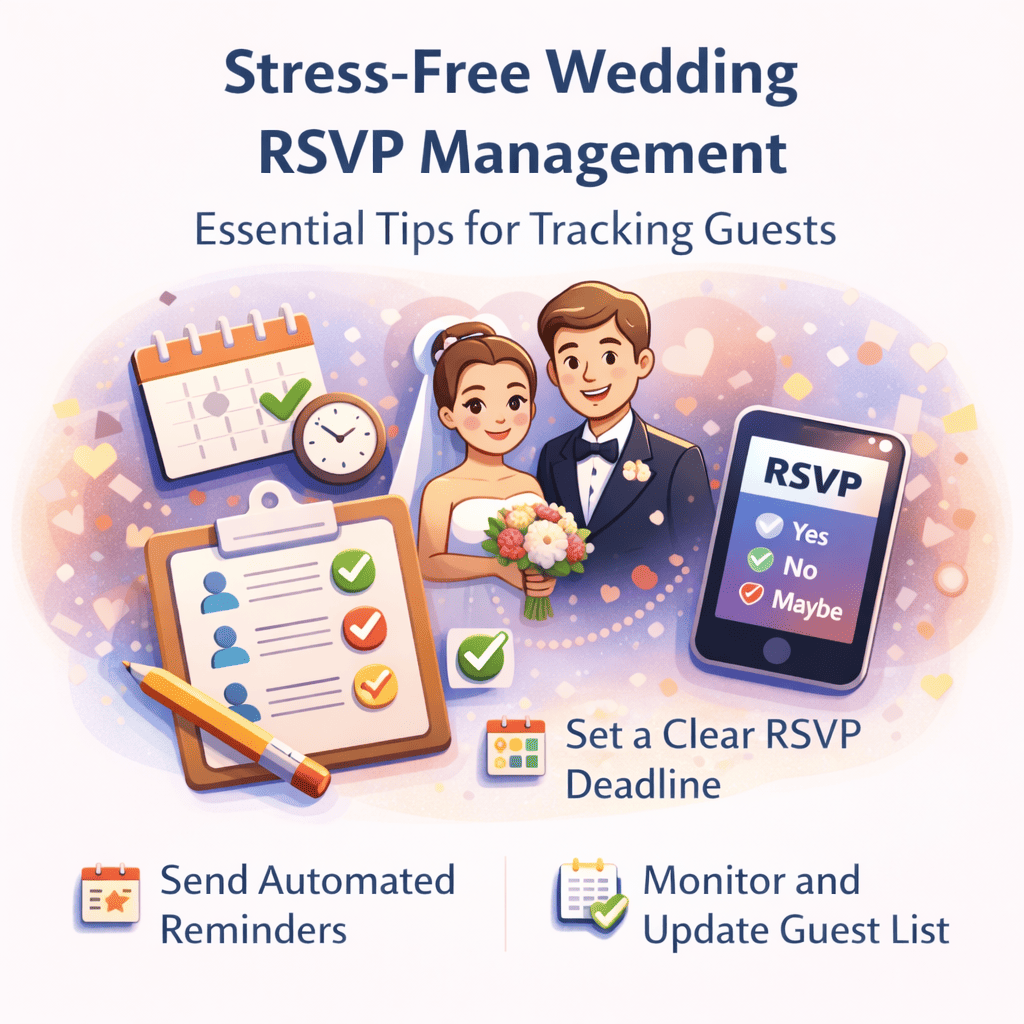
Strategic Reminders: Timing is crucial. Send the initial invitation 4-6 weeks out, followed by a soft reminder 10 days before the deadline, and a final, urgent reminder 48 hours before the cut-off date. Vary your communication channel for each reminder (e.g., initial via email/WhatsApp, reminder via Instagram Story).
Conclusion
Mastering how to share RSVP links effectively is the difference between a guessing game and a perfectly planned event. By combining the intimate personalization of WhatsApp with the broad reach of social media, and optimizing your link presentation, you can look forward to accurate attendance numbers and a truly successful gathering.